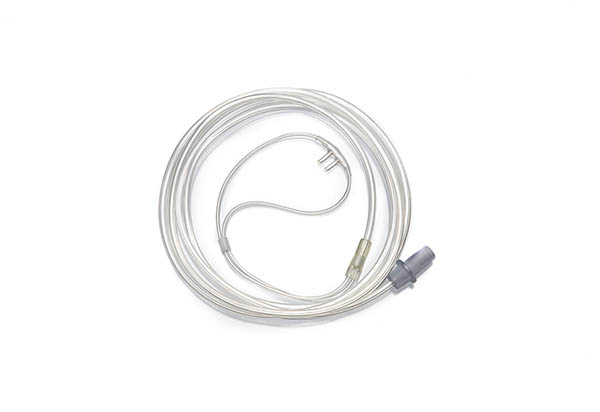
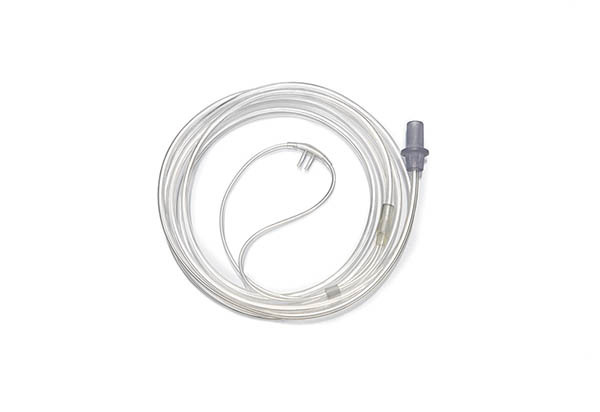
The Phthalate free range of nasal cannula has been designed to address the concerns of neonatal exposure to DEHP in premature infants and newborns requiring intensive care in a neonatal unit.
What is DEHP?
DEHP is part of a family of chemicals called phthalates. These chemicals are used to make PVC plastic soft and flexible. Because it does not bind with the plastic, DEHP can leach out of the product and into the patient.
What are the dangers of exposure to DEHP?
Adverse effects of exposure to DEHP include changes to the reproductive organs leading to reduced fertility, respiratory distress and negative changes in kidney and liver functions according to animal studies. Whilst DEHP can affect everyone concerns are highest for Neonates due to the influence DEHP could have to on their underdeveloped organs.
What can be done to reduce exposure?
The goal should be to eliminate all products containing DEHP from the Neonatal Intensive Care Units. Intersurgical have developed a phthalate (DEHP) free range of nasal cannulae for neonates to achieve this goal.
What can be done about eliminating DEHP from NICU’s?
The availability of safer alternatives to PVC products means the prudent course of action for NICU’s could be to introduce DEHP/PVC-free products.
What is DEHP?
DEHP is part of a family of chemicals called phthalates. These chemicals are used to make PVC plastic soft and flexible. Because it does not bind with the plastic, DEHP can leach out of the product and into the patient.
What are the dangers of exposure to DEHP?
Adverse effects of exposure to DEHP include changes to the reproductive organs leading to reduced fertility, respiratory distress and negative changes in kidney and liver functions according to animal studies. Whilst DEHP can affect everyone concerns are highest for Neonates due to the influence DEHP could have to on their underdeveloped organs.
What can be done to reduce exposure?
The goal should be to eliminate all products containing DEHP from the Neonatal Intensive Care Units. Intersurgical have developed a phthalate (DEHP) free range of nasal cannulae for neonates to achieve this goal.
What can be done about eliminating DEHP from NICU’s?
The availability of safer alternatives to PVC products means the prudent course of action for NICU’s could be to introduce DEHP/PVC-free products.
Nasal cannulae
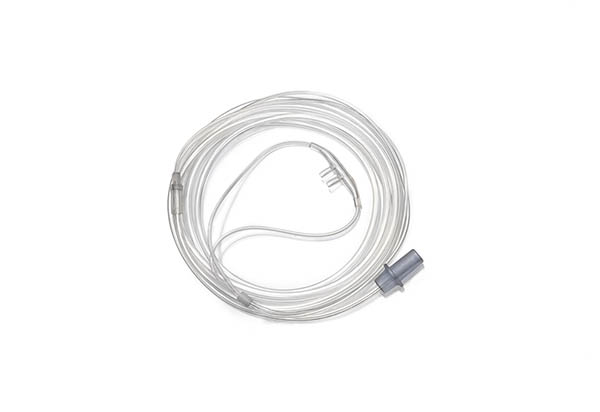
 - Phthalate free